
The EV skills gap is now a fleet confidence issue
As commercial fleets transition from diesel to electric vehicles (EVs), much of the conversation centres on the vehicles themselves: range, charging infrastructure, purchase price and availability.
While these factors matter, another challenge deserves equal attention. South Africa needs the skills to keep EV fleets operating reliably once they are on the road.
Fleet operators are pragmatic. Before investing in new technology, they want to know who will service the vehicles, diagnose faults and minimise downtime. If those answers are unclear, even the strongest business case can appear risky.
The workshop is changing
The first skills gap exists in the workshop. Traditional automotive training was built around internal combustion engines, but EVs require a different set of capabilities.
With fewer moving parts, EVs eliminate many familiar service items such as oil changes, exhaust systems and clutches. Regenerative braking also reduces wear on brake components, lowering routine maintenance requirements.
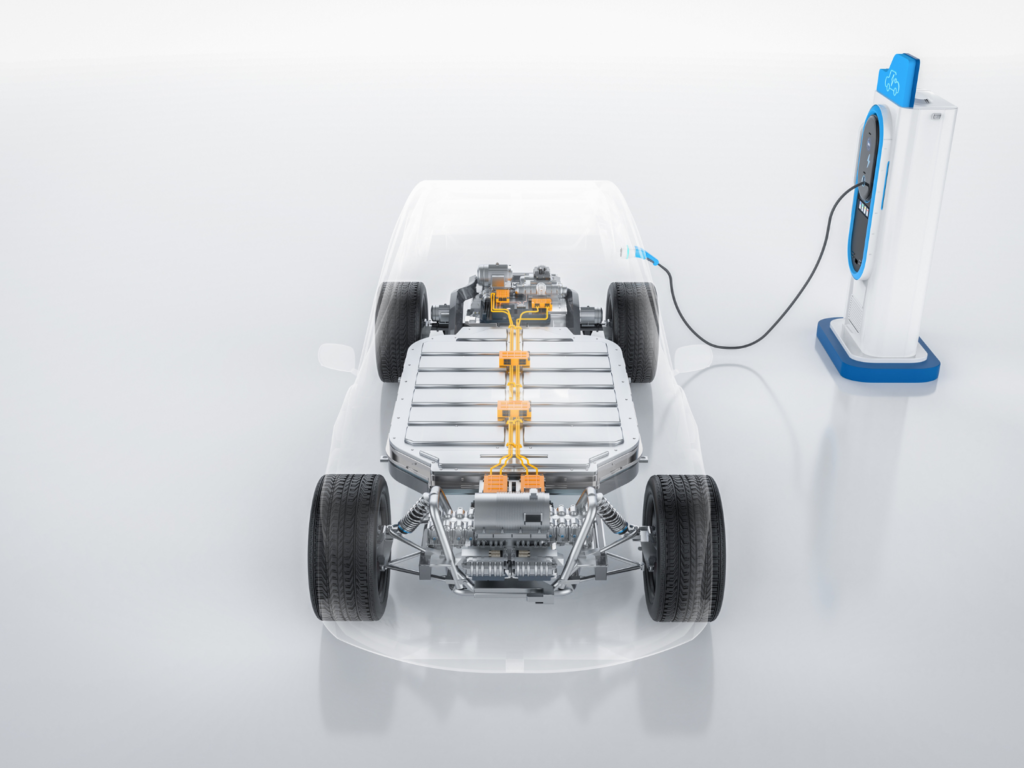
However, repairs require specialist expertise. Technicians must understand high-voltage systems, battery management, inverters, onboard chargers, power electronics and strict safety procedures. Operating voltages of 400V to 800V DC leave no room for informal training.
Modern EVs are also software-defined vehicles. Many faults are resolved through diagnostics, calibration or software updates rather than mechanical repairs. Workshop teams therefore need skills in diagnostic platforms, Controller Area Network (CAN) communication, battery health monitoring, thermal management and motor or inverter diagnostics.
Fleet skills now include energy
The skills challenge extends beyond the vehicle itself. Managing an EV fleet requires expertise in charging infrastructure, energy management and data.
Fleet operators need people who understand AC and DC charging systems, including installation, maintenance and fault resolution. They also require knowledge of load balancing, time-of-use tariffs, charging schedules and integrating renewable energy or backup power where appropriate.
Telematics has become central to fleet management. Teams must interpret real-time information on battery health, charging efficiency, vehicle utilisation and driver behaviour. Supporting an EV fleet is no longer just about maintaining vehicles; it is about managing vehicles, chargers, energy and data as one integrated system.
Training is lagging behind
South Africa’s training pipeline has yet to match the pace of EV adoption. Most TVET and artisan programmes remain focused on internal combustion technology, while EV-specific curricula are only beginning to emerge.
Current EV training is largely delivered by OEMs and private providers, often on a proprietary basis. While valuable, this can leave technicians with manufacturer-specific skills that are not easily transferable.
MERSETA has acknowledged the need to modernise qualifications, but curriculum development remains behind industry requirements. Closing the gap will require collaboration. OEMs should broaden access to training and diagnostic tools, fleet operators must invest in upskilling their teams, TVET colleges need stronger industry partnerships, and government should accelerate the development of nationally recognised EV qualifications.
Skills will drive confidence
The skills gap is ultimately becoming a confidence gap. Fleet managers evaluating EVs are not only buying vehicles – they are investing in an operating model that depends on reliable technical support.
The good news is that EVs are creating demand for high-voltage technicians, charging infrastructure specialists, telematics experts, energy system integrators and fleet data analysts. These are future-focused careers that combine automotive, logistics, energy and digital technologies.
Vehicle availability alone will not drive the transition to electric mobility. South Africa also needs the skilled people, technical capability and support infrastructure to ensure EV fleets operate safely, efficiently and with confidence.
As seen in Capital Equipment News.